
How to save first, last, and security deposit for an apartment
Published March 29, 2026 by Angela Talbot | Reading Time: 2 minutes
-
Categories:
- Saving & Budgeting
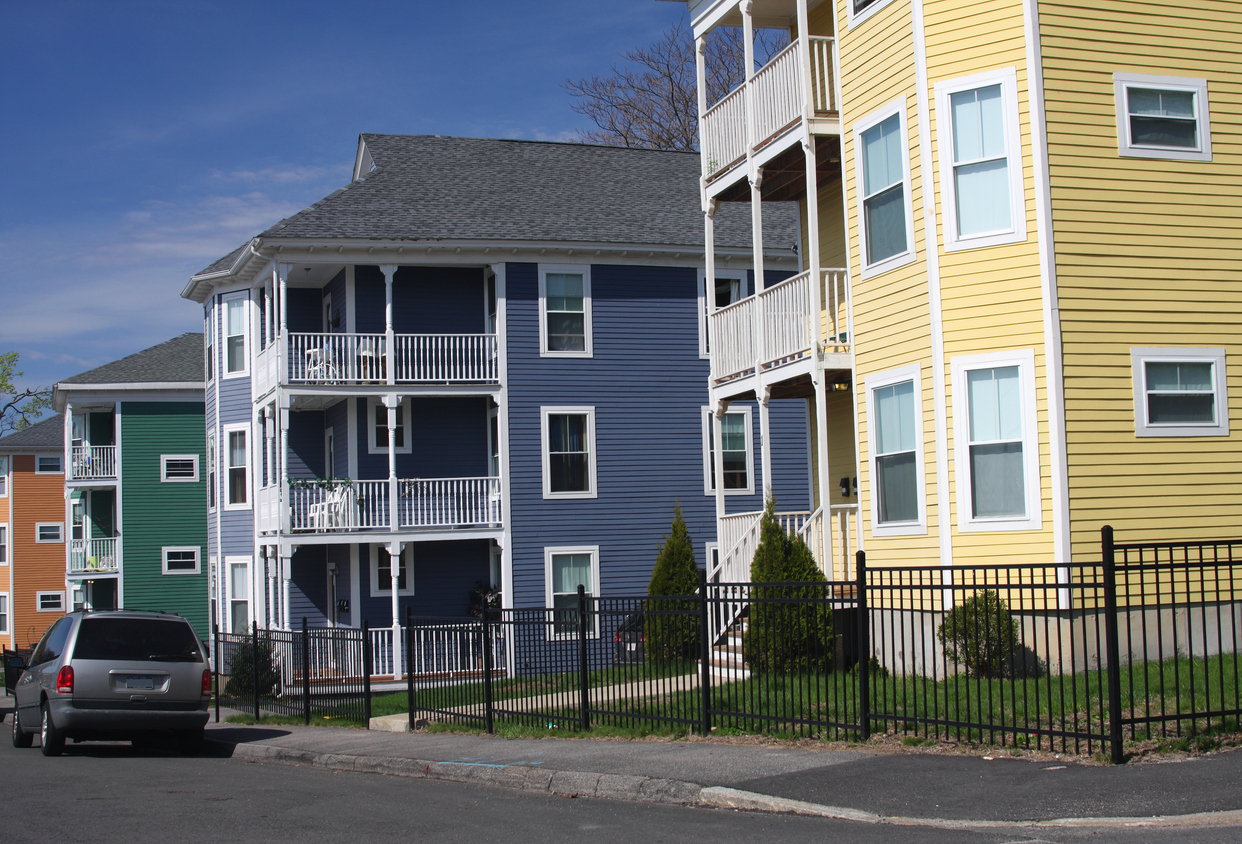
Moving into a new apartment is an exciting milestone, but the upfront costs can feel a bit overwhelming. In Massachusetts, landlords typically require new tenants to pay the first month’s rent, the last month’s rent, and a security deposit before handing over the keys. If you use a real estate broker, you might also need to pay a broker fee, which is often equal to another month of rent.
Saving up three or four times your monthly rent requires a solid plan. Fortunately, with a clear strategy and the right banking tools, you can build your rental fund steadily and safely. Here is how to prepare your finances for your upcoming move.
Calculate your savings goal
The first step in any savings journey is knowing exactly how much you need. Start by researching the average rent for the neighborhoods you want to live in. Once you have a target monthly rent, multiply that number by three (or four, if you expect a broker fee) to find your total savings goal.
For example, if you plan to rent an apartment for $1,800 a month, you will need to save at least $5,400 to cover the first month, last month, and security deposit. To make this process easier, you can use a savings goal calculator to determine exactly how much you need to set aside from each paycheck to reach your target by your desired moving date. Use our handy Savings Goal calculator to figure out how much you would need to put away weekly, biweekly, or monthly to reach your goal.
High-yield savings strategies
Where you keep your money while you save matters. You want an account that works as hard as you do, helping your fund grow faster through interest.
At Webster First, our First Rate Checking account is an excellent tool for future renters. When you sign up for eStatements and set up a direct deposit, you can earn a competitive 5.00% APY2 on the first $1,00051 in your account. This means your money grows simply by sitting there safely, getting you closer to your new apartment with every passing month.
Another high-yield savings option to try is a Money Market. You could earn a higher rate than traditional savings accounts while still maintaining the flexibility to withdraw as you please.
Budgeting for your move
Reaching a large savings goal usually requires a few temporary adjustments to your daily spending habits. Here are a few practical ways to budget for your move:
- Track your current spending: Look at your past month of expenses to see where your money goes. Identifying patterns makes it easier to spot areas where you can cut back.
- Reduce non-essential expenses: Consider pausing subscription services you rarely use, cooking meals at home instead of dining out, or finding free local entertainment options in your community.
- Set up automatic transfers: The easiest way to save is to do it automatically. Schedule an automatic transfer from your checking to your savings account on the days you get paid. Treating your savings contribution like a mandatory monthly bill ensures you stay on track without having to think about it.
Take the first step toward your new home
Saving for the first, last, and security deposit takes time and discipline, but the reward of unlocking the door to your new apartment is entirely worth it. By calculating your goal, budgeting wisely, and utilizing high-yield accounts, you will be packing moving boxes before you know it.
Open a First Rate Checking account, First Rate Savings account, or Money Market online.