
Protect your holiday budget from “Ghost Tapping” scams
Published December 15, 2025 by Angela Talbot | Reading Time: 2 minutes
-
Categories:
- Security & Fraud Prevention
- Spending & Shopping
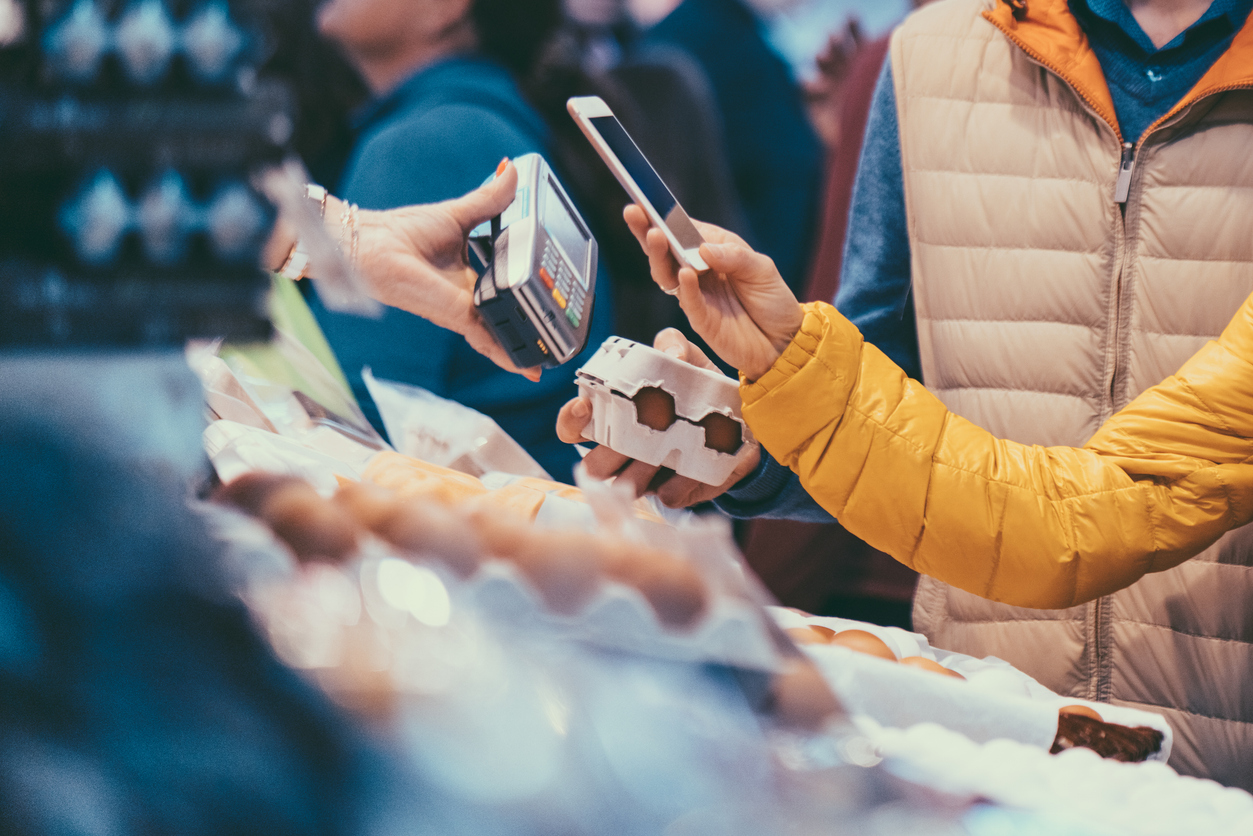
The holiday shopping season is a busy time for everyone. While we’re rushing through crowded malls or navigating festive pop-up markets, scammers are also hard at work. One new trick gaining popularity is called “ghost tapping,” and it specifically targets the contactless debit and credit cards many of us use every day. News outlets and organizations like the Better Business Bureau and state consumer protection agencies have issued warnings about this scam to help keep shoppers informed and protected.
At Webster First, your financial security is our priority. Understanding how these scams work is the first step in keeping your hard-earned money safe this season.
What is “Ghost Tapping”?
Ghost tapping exploits the convenience of tap-to-pay technology (NFC). This feature makes checking out fast, but scammers have found ways to use it against shoppers, as noted in recent consumer protection alerts.
In a ghost tapping scam, a fraudster uses a portable card reader or a tampered payment terminal to initiate a transaction without your permission. Because the technology relies on proximity, they don’t even need to hold your card. They just need to get close enough to your wallet or pocket to steal funds or card information.
How does the ghost tapping scam work
These scams often happen in crowded, high-traffic areas—exactly where many of us will be during the holidays. For more on real-world examples and warnings, see recent Better Business Bureau alerts and guidance from Michigan Consumer Protection. Here is how it typically happens:
- The accidental bump: A scammer with a hidden reader brushes past you in a crowd. That split-second contact is enough to trigger a small charge on your card.
- The fake vendor: You might encounter someone claiming to raise money for charity or selling small items. They may ask for a tap payment but key in a much larger amount than what they told you.
- The rush: Scammers rely on distraction. They try to rush you through a transaction so you don’t have time to look at the screen or verify the total.
Practical tips to stay safe
You don’t need to stop using the convenience of tap-to-pay, but a few simple habits—many recommended by experts in consumer protection and detailed in trusted security guides—can protect your accounts.
- Check the screen: Before you tap your card or phone, always look at the payment terminal. Verify the merchant’s name and the total amount. If the screen is blank or looks suspicious, do not tap.
- Don’t be rushed: If a vendor is pressuring you to pay quickly, take a step back. It’s okay to slow down and ask for a receipt.
- Secure your cards: Consider using an RFID-blocking wallet. These are designed to block the signals scammers use to read your cards through your pocket or purse.
- Turn off NFC when not in use: If you use a mobile wallet on your phone, you can often turn off the NFC (Near Field Communication) feature until you are ready to pay.
- Monitor your accounts: During the holidays, check your Webster First account activity frequently. Look for small, unfamiliar charges, as scammers often “test” a card with small amounts first.
Webster First’s fraud monitoring will alert you immediately by phone or email if we detect a suspicious transaction so we can stop the scammer in their tracks. If you notice any suspicious activity on your Webster First debit card, please contact us immediately. Staying vigilant is the best way to ensure your holiday season remains happy and fraud-free.