
Cash, debit, or credit: when should you use each?
Published October 4, 2026 by Angela Talbot | Reading Time: 4 minutes
-
Categories:
- Banking
- Spending & Shopping
- Teen Checking
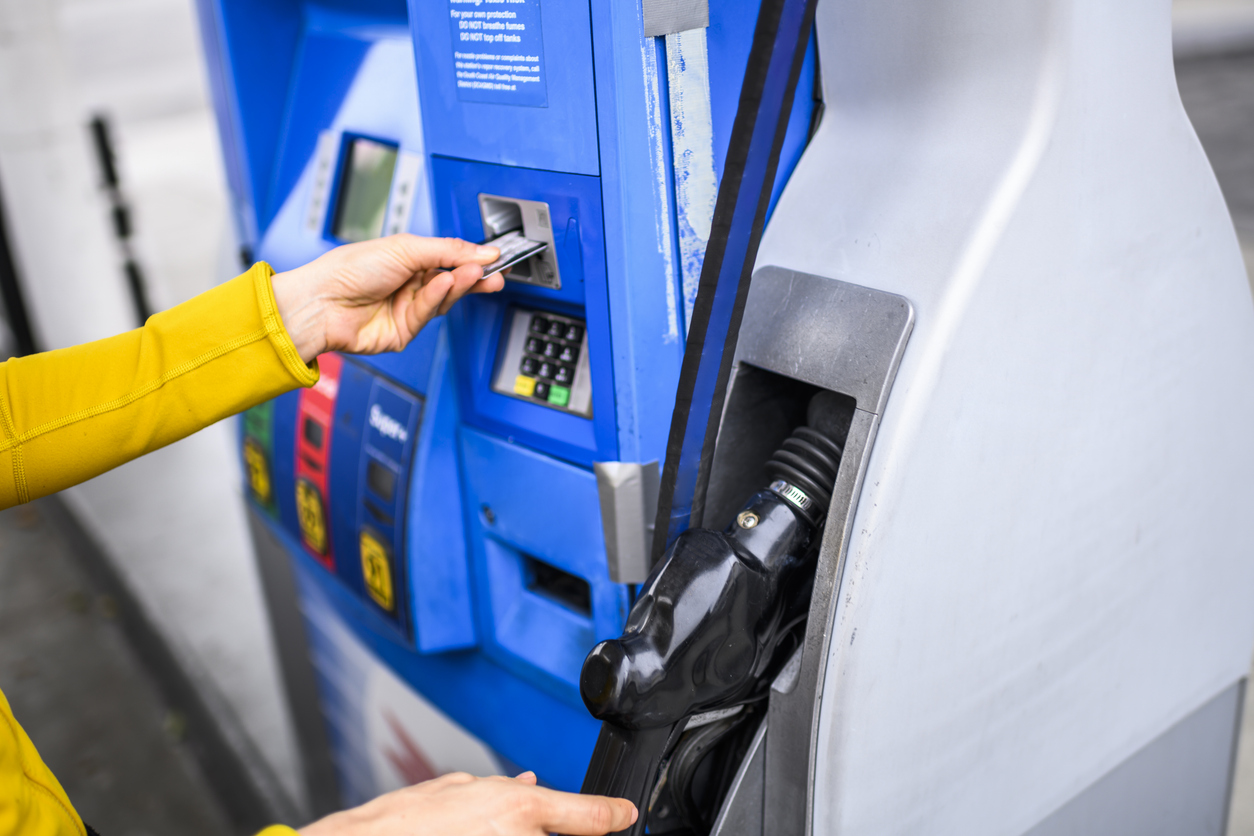
Quick answer: Cash works best for budgeting and small purchases. Debit is great for everyday spending without going into debt. Credit builds your financial history and earns rewards—but only if you pay it off monthly. Using all three strategically sets you up for long-term financial success.
Starting your financial journey can feel overwhelming. You’ve got cash in your wallet, a debit card in your pocket, and maybe a shiny new credit card you’re not sure when to use. Each payment method serves a different purpose. Knowing when to reach for which one is one of the smartest money habits you can build early on.
When is cash the best payment option?
Cash is simple: you can only spend what you have. That makes it one of the most effective tools for sticking to a budget.
If you’re trying to cut back on impulse spending, paying in cash creates a natural limit. When the money’s gone, it’s gone. You also avoid overdraft fees, which can sneak up on you fast when you’re just starting out. Cash may be the best option to spend at businesses that give cash discounts, like gas stations or small businesses, because you get to save some money on your purchase.
One thing to keep in mind: cash leaves no transaction record. That can work in your favor if you value privacy, but it also means no paper trail if something goes wrong. For small, everyday purchases like coffee or a cash-only farmers market, cash is often the easiest choice.
When does using a debit card make more sense?
A debit card pulls money directly from your checking account. So you’re still spending what you have, just more conveniently. It’s a solid option for everyday purchases like groceries, gas, or online shopping.
Debit cards also come with a built-in bonus: they create a transaction history. Every purchase gets logged, which helps you track your spending and develop financial responsibility over time. Most debit cards also offer fraud protection, so if your card is ever compromised, you have a way to dispute unauthorized charges.
The one thing debit can’t do? Help you build credit. For that, you’ll need to use a credit card.
You may also like Debit cards and ATM cards: What are the differences and benefits?
When should you use a credit card?
Credit cards often get a bad reputation, but used wisely, they’re one of the best financial tools available to young adults.
Every time you use a credit card and pay off the balance, you’re building your credit history. That history matters a lot. It affects your ability to get approved for a car loan, rent an apartment, or even land certain jobs. Starting to build credit early gives you a real advantage down the road.
Many credit cards also offer perks like cashback, travel rewards, and purchase protection. Some even offer extended warranties on electronics or trip cancellation coverage.
The catch? Credit cards charge high interest on unpaid balances. Carrying a balance month to month can quickly turn a small purchase into a much bigger expense. The golden rule: only charge what you can afford to pay off in full each month. If you pay it off in full and utilize a rewards card, you’ll never have to pay the credit card company interest, and they will pay YOU with rewards.
For more information on using credit cards and which are the best for starting out, see How credit cards work (and how to use them the right way)
How Webster First can help you manage all three
Getting started with smart money habits is easier when you have the right tools. Webster First’s Teen Checking accounts are designed with young adults in mind—no monthly fees, straightforward access, and a debit card you can start using right away. Those over age 18 can get even more benefits with our First Rate Checking Account.
Building strong money habits starts now
There’s no single “best” payment method. Cash, debit, and credit each have a role to play depending on the situation. The real advantage comes from knowing which one to use and when.
Young adults who learn to use all three strategically are better prepared for the financial decisions that come later: buying a car, renting an apartment, saving for the future. The habits you build now don’t just affect next month’s budget, they shape your financial life for years to come.
Frequently asked questions
Is it better to use cash or a debit card for budgeting?
Both can work, but cash is often more effective for strict budgeting since you physically can’t spend more than you have. Debit cards offer more convenience and fraud protection, while still keeping you within your account balance.
Does using a debit card help build credit?
No. Debit card transactions are not reported to credit bureaus, so they don’t contribute to your credit history. To build credit, you need to use a credit card and pay off the balance regularly.
What’s the safest way to start using a credit card for the first time?
Start small. Use your credit card for one or two regular purchases each month (like a streaming subscription or gas) and pay the full balance before the due date. This builds credit without the risk of carrying debt.
What is a credit score and why does it matter for young adults?
A credit score is a three-digit number that reflects how reliably you manage borrowed money. Lenders, landlords, and even some employers use it to assess financial responsibility. Building a strong score early expands your financial options later in life. For a more in depth explanation see What is a good credit score? How to build and raise your credit
Does Webster First offer accounts designed for teens or young adults?
Yes. Webster First offers a Teen Checking account with no monthly fees, making it easy to start managing money with a debit card while developing responsible spending habits. When you turn 18, it’ll automatically convert to our premier adult checking account, First Rate Checking.