
RIP to the penny: What the death of the US penny means for you
Published December 23, 2025 by Angela Talbot | Reading Time: 4 minutes
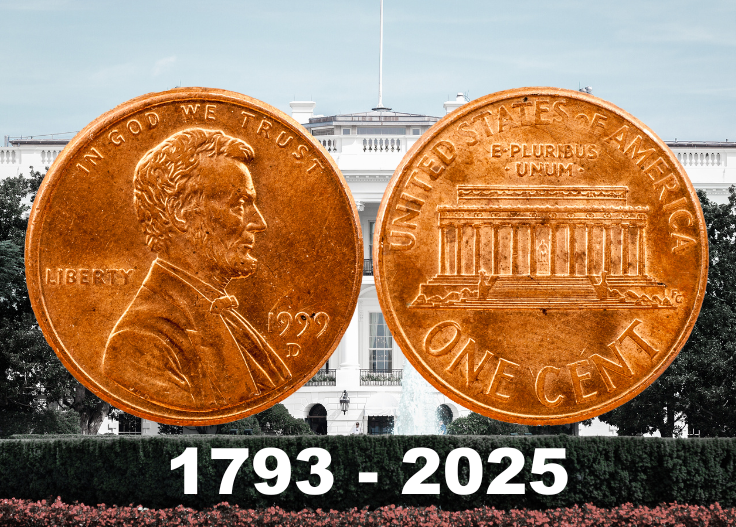
For over 230 years, the humble penny has been a constant in American life. From piggy banks to “take a penny, leave a penny” trays, the one-cent coin has played a role in our economy and culture. However, after years of debate, the United States Mint has officially ceased production of the penny as of November 2025.
This decision marks the end of an era, and it brings up important questions for consumers and businesses alike. While it may seem like a small change, the removal of the penny from production will have noticeable effects on how we handle cash transactions. We are here to walk you through why this change is happening, what it means for your finances, and how you can prepare.
Why is the penny being discontinued?
The decision to stop minting the penny was not made lightly. It came down to a combination of practical economics and shifts in how we use money. For many years, the cost to produce a penny has been more than its face value.
According to the U.S. Mint’s 2024 annual report, it cost 3.69 cents to make a single one-cent coin. This was largely due to the rising prices of the metals used in its production, primarily zinc and copper. When you consider that the Mint produced billions of pennies each year, the financial loss became significant. In fiscal year 2023 alone, taxpayers spent over $179 million on penny production.
Beyond the cost, our spending habits have changed. The rise of debit cards, credit cards, and digital payment apps means that fewer people are using cash for their daily purchases.
With the penny’s purchasing power diminished by inflation over the decades, it has become more of a nuisance than a useful coin for many. This combination of high production costs and low utility made its continuation impractical.
What does this mean for you as a consumer?
Even though the U.S. Mint is no longer making new pennies, the coins you already have are still legal tender. This means you can still use them to pay for things, but you will likely see them less and less over time. The biggest change you will notice will be in how cash transactions are handled at the register.
Without a steady supply of new pennies, retail businesses will begin rounding cash totals to the nearest five cents. Here’s how that will work:
- If your total is $5.81 or $5.82, it will be rounded down to $5.80.
- If your total is $5.83 or $5.84, it will be rounded up to $5.85.
- If your total ends in 6, 7, 8, or 9, the same logic will apply.
It’s important to remember that this rounding only applies to the final total when you are paying with cash. Transactions made with a credit card, debit card, or check will still be charged for the exact amount. While some states have laws requiring exact change, we expect federal guidance to provide clarity for retailers and protect consumers.
What should you do with your pennies?
You might have a jar of pennies sitting at home, and now is a great time to put that money to use. The typical household has between $60 and $90 in forgotten coins.
Turning them into usable cash is a simple way to give your budget a small boost.
You have a few options:
- Deposit them at your bank or credit union: Many financial institutions will accept rolled coins from their members or have coin machines at their branches that you can dump them into in exchange for cash.
- Use a coin-counting kiosk: These machines, often found in grocery stores, are convenient but usually charge a service fee that can be as high as 12%.
- Spend them: Since pennies are still legal tender, you can always use them for small purchases.
Keeping your spare change in a high-yield account like our First Rate Checking is a much better option than letting it sit in a jar. Your money can earn dividends and keep its value against inflation.
How will this affect businesses and financial institutions?
For businesses, the transition away from the penny requires a few adjustments. The most immediate is updating point-of-sale (POS) systems to handle the new rounding rules for cash transactions. Clear communication with both employees and customers will be key to preventing confusion and frustration at checkout.
Financial institutions will play a vital role in helping the community adapt. This includes educating members about the changes and continuing to accept penny deposits to help recirculate the existing supply. It also presents an opportunity to guide members toward convenient digital banking and payment solutions that eliminate the need for physical change altogether. Those signed up for direct deposit and eStatements on our First Rate Checking can enjoy earning more on your first $1,000.00.51
As your financial partner, we are committed to making this transition as smooth as possible. We will continue to accept your coins and are always available to answer any questions you may have about managing your money in a changing financial landscape.
A farewell to a familiar coin
The end of the penny is a sign of the times. As our economy evolves, our currency must adapt as well. While we may feel a bit of nostalgia for the iconic coin, the move away from the penny is a practical step toward a more efficient financial system. By understanding these changes and taking simple steps to adapt, you can ensure the transition is a seamless one for your finances.